How to remove water stains from wood even a short period of exposure can cause water stains on wood furniture, wooden tables, wooden countertops, and wooden flooring. The marks can be white rings, patches of discoloration, or darker areas depending on the type of wood and moisture content. Luckily, there are many affordable and easy-to-find solutions available for surface water stains.
Removing water stains from wood depends on the type and depth of the stain, so it is a good idea to consider how to remove water stains from wood. For any type of cleaning, first try it on a small area that is out of sight and out of mind.
What Causes Water Stains on Wood?
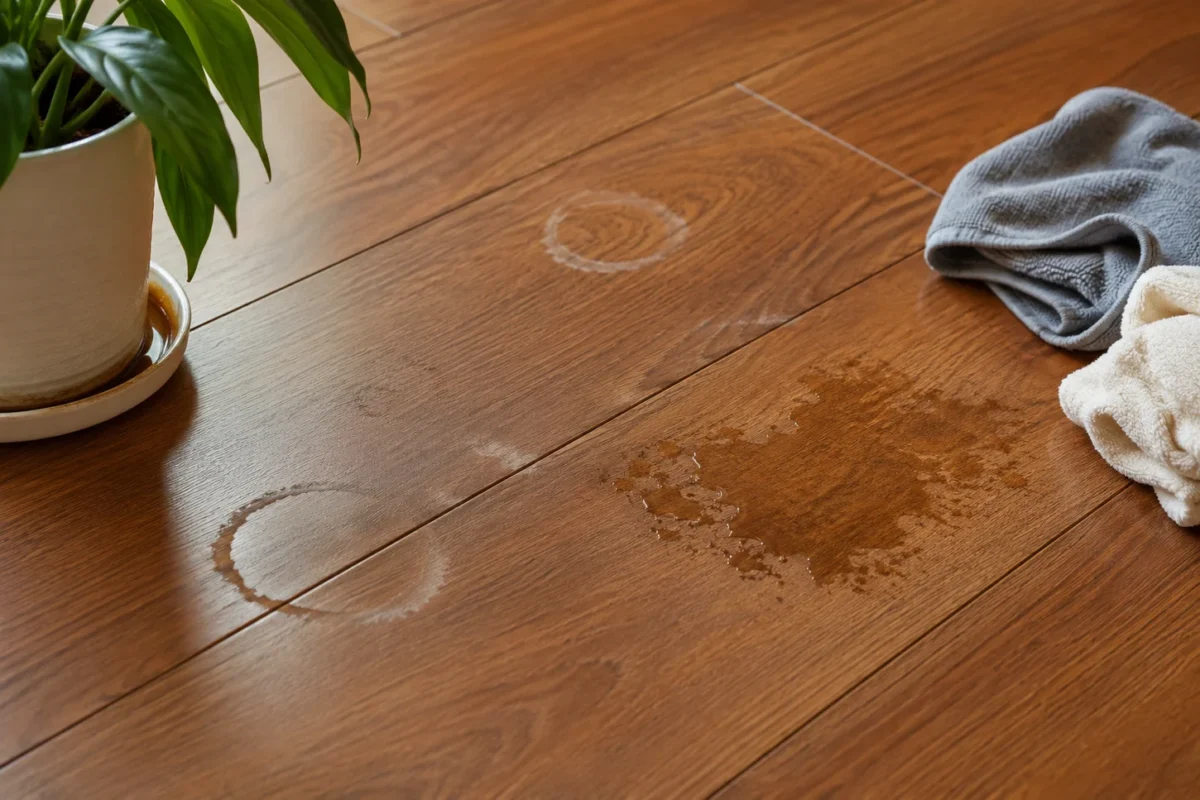
Water stains normally occur when water becomes trapped in or under the protective finish on wooden furniture. Cool glass, a wet container, a wet cloth, or a spilt drink will leave moisture.
Cloudy, white marks are usually a sign of moisture that did not penetrate the wood but is affecting it on the surface. Dark stains are also more serious, as they can mean that water has penetrated deeper into the wood.
Knowing what the stain looks like will help you select the right stain removal technique.
How Can You Remove Water Stains From Wood With a Dry Cloth?
If the watermark is extremely fresh and light, begin with the most straightforward technique. Use a clean, soft, dry cloth to gently clean the area.
How to remove water stains from wood, as it can impact the finish. Leave the surface dry and see if the mark has gone away.
This is a simple treatment that can be done for minor moisture marks.
Can a Hair Dryer Help Remove Water Stains From Wood?
Sometimes, a hot hair dryer can be used to gently warm up white or cloudy water marks, which may help.
Use the hair dryer on a low setting or on warm and move it around to avoid focusing the heat on any single area. Keep at a safe distance from the surface and monitor the area regularly.
This is a procedure that should be used with care because excess heat can harm the wood finishes. If the finish is hotter than usual, stop!
How Can an Iron Help Remove Water Stains From Wood?
How to remove water stains from wood, an iron may be used to remove moisture from a finish, but it must be used with great care.
Cover with a clean and dry cloth and iron on a very low and dry setting over the stained area. Never put the iron on the wood. Move a short distance and observe the surface regularly.
This is not suitable for all wood and finishes, as the heat can cause damage to the finish. When provided, always follow the manufacturer’s care instructions.
Can Mayonnaise Remove Water Stains From Wood?
White water rings are a common complaint that may be treated at home by applying mayonnaise. The concept is to lubricate or influence the finish around the mark with its oily content.
Put a small amount on the stain and allow it to sit for a short time. Gently rub it with a clean cloth afterwards.
However, performance may vary with the type of finish and stain’s age. Practice the method in an inconspicuous area and then treat a visible area.
Can Baking Soda Remove Water Stains From Wood?
Mild abrasiveness can cause some problems with wood finishes if rubbed too much with baking soda.
If you decide to do so, apply a small quantity and don’t scrub too vigorously. It is important to use a gentle approach, since it is not helpful to remove the stain if the finish is removed in the process.
Generally, it is best to use a method that has been recommended for particular finishes on valuable or antique furniture.
Can Toothpaste Remove Water Stains From Wood?
To remove light water marks, some use non-gel toothpaste as it contains mild abrasive material.
Put a little on a soft cloth and rub slowly on the affected area. Do not apply too much pressure or rub for too long.
When complete, clean with a clean, damp cloth and dry.
Test the remedy in a hidden area, like with other household remedies.
What Should You Do About Dark Water Stains on Wood?
When the water stains are dark, they will be harder to remove, as they may have soaked further into the wood.
These stains might need surface treatments. The affected area may require some light sanding and refinishing depending on the severity.
When the wood is valuable, antique, or veneered, and you are wondering how to remove water stains from wood, it is best to hire a professional to restore the item rather than do it yourself.
How Can You Prevent Water Stains on Wood?
The key to eliminating water stains is to prevent them from occurring in the first place. Place coasters under cold drinks, use placemats under containers, and clean up spills immediately.
Do not leave wet towels, cups, flower pots, or cleaning cloths on wooden surfaces. Avoid placing furniture in places where there are unwanted sources of moisture.
Regularly cleaning and caring for the finish according to the manufacturer’s suggestions will help to maintain it.
Which Method Should You Try First?
The most conservative alternative is normally the least aggressive one. Wipe the area with a clean, dry cloth and let the area dry.
How to remove water stains from wood depends on whether it is a light white/cloudy stain or a darker stain. Some light stains can be treated, while others that are darker may need refinishing or professional restoration.
Don’t attempt multiple harsh treatments in quick succession since the repeated treatments can actually hurt the finish.
Avoid Which Mistakes When Removing Water Stains?
The single worst error is putting too much pressure. Scrubbing may cause scratches or dullness.
The other error is applying too much heat. Wood finishes can be harmed by the use of hair dryers and irons if not used properly.
It is also not advisable to saturate the wood with water when attempting to remove a water stain. Additional moisture can make the problem worse.
Lastly, do not use any cleaners that are not specifically recommended for the kind of wood and finish to be treated.
Conclusion
The first step in identifying how to get rid of water stains on wood is to determine what type of stain it is, and then to select the least aggressive stain-removing solution available that can do the trick. Sometimes the stains can be light and fresh and treated easily, and sometimes they’re darker and deeper and may need refinishing.
Test on an inconspicuous area first and be careful not to rub too hard or rub too much to avoid irritation. If you have antique (and costly) or delicate wood furniture, it is best to seek professional advice to avoid potential damage.
FAQs About How To Remove Water Stains From Wood
How to remove water stains from wood?
To remove all traces of dirt, wipe the surface with a dry, clean cloth. If the stain doesn’t come out, a proper treatment can be chosen depending on the type of finish and appearance of the stain.
Is it possible to completely remove the water stains on wood?
Many surface water marks can be minimized or eliminated, but the effectiveness will vary according to the depth of the stain, wood type, and finish. In some instances, dark stains that have intruded into the wood may be harder to treat.
Will toothpaste stain out water rings in wood?
A mild abrasive, such as non-gel toothpaste, may be used on light water rings. But it may tarnish finishes, so it should be applied to an inconspicuous place first.
Will baking soda damage wooden furniture?
While baking soda might not be as hard as sand, it is still abrasive. Too much pressure can interfere with the finishing process and should be used with care, especially on fine, valuable furnishings.
Is it possible to get rid of white water stains on wood with a hair dryer?
Some white or cloudy marks may be improved with gentle warmth, but can be harmful if the temperature is too high. Run on low, maintain constant movement of the dryer, and if a surface is hot, stop the drying immediately.
What is the best way to get rid of faded stains on wood?
Any old dark stains may have been imbued into the wood and might need sanding and refinishing. If you have old, valuable furniture or challenging stains, professional restoration might be necessary.
How do I avoid water rings on wooden furniture?
Follow the manufacturer’s care instructions, use coasters, quickly wipe up spills, do not place wet items on wood. The following simple tips can decrease the likelihood of future water stains.