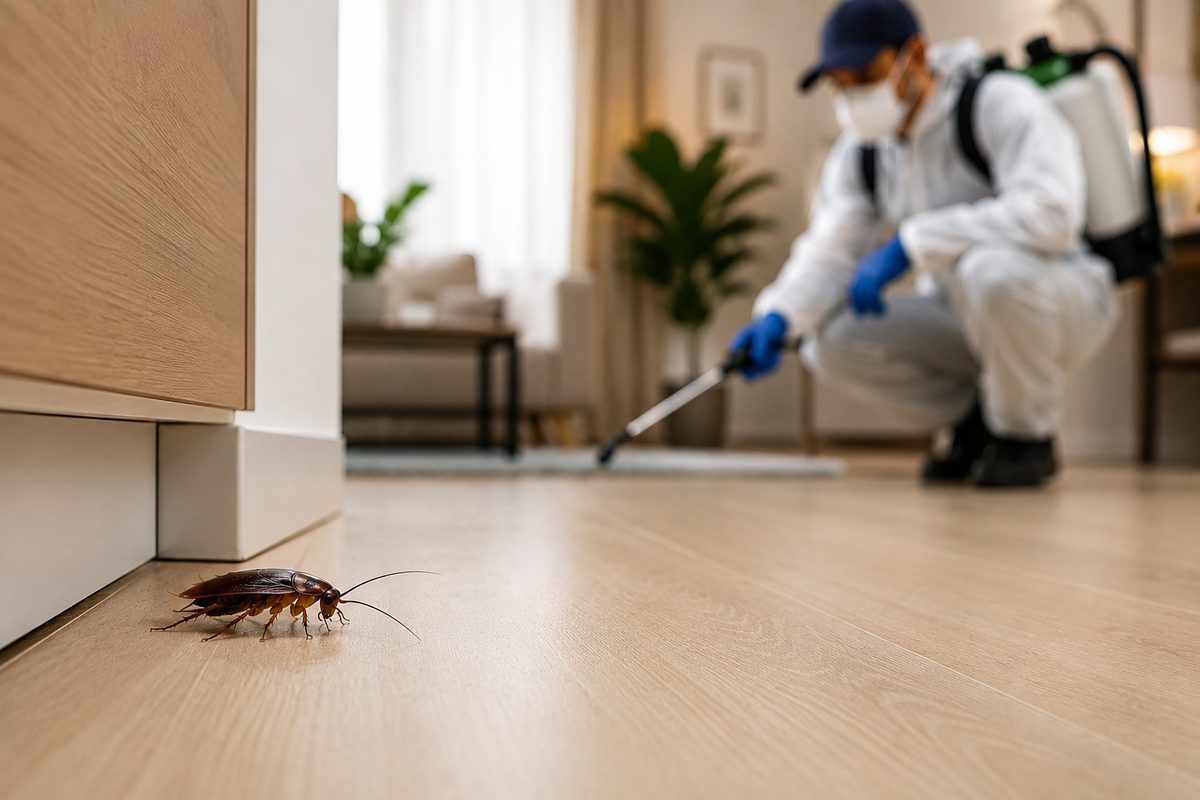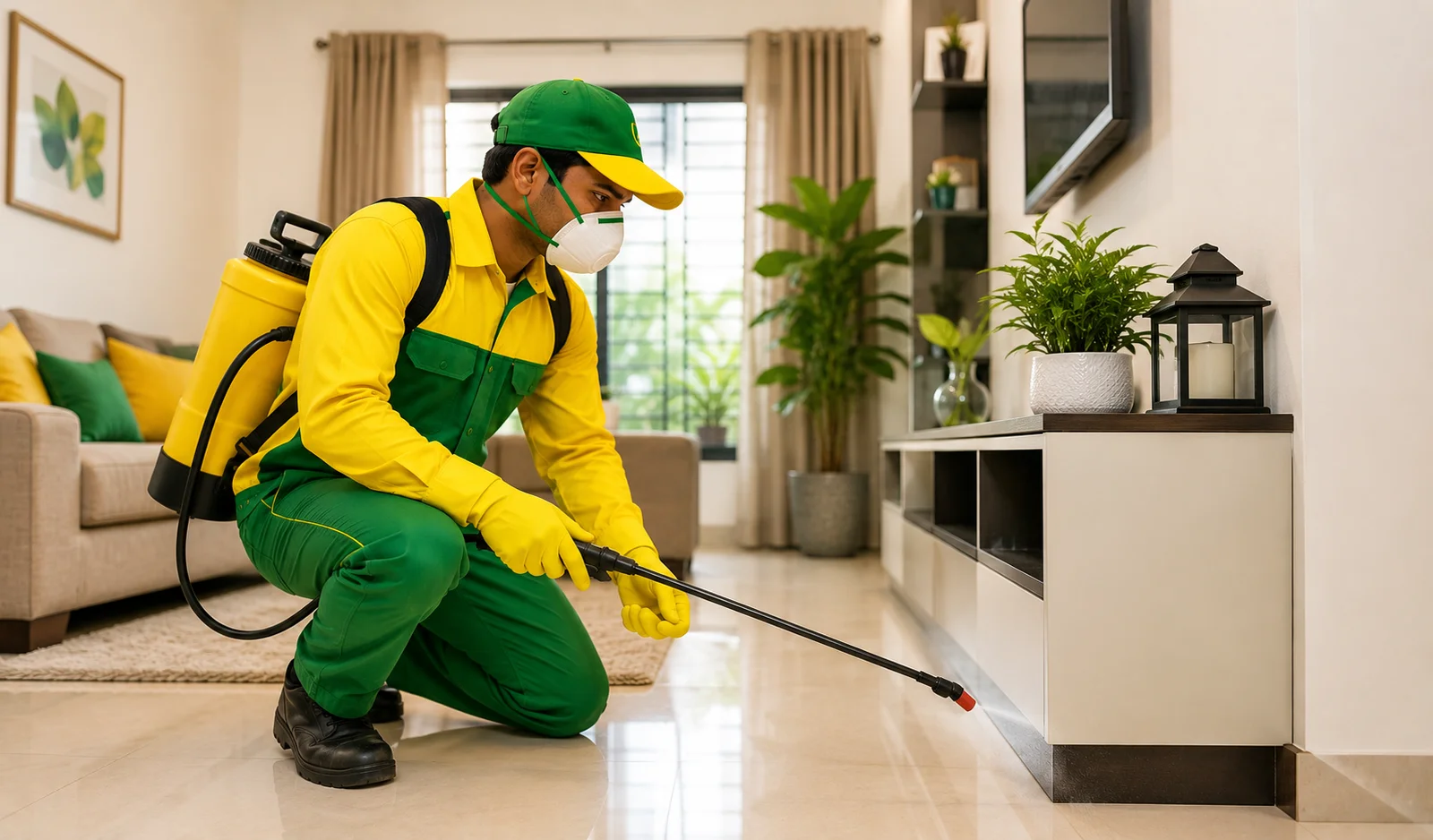
A house is more than just a house. It is the combination of materials, moisture, and storage methods, as well as certain routine activities, that, when combined, will have an impact on the longevity of a property. Pests are a leading indicator that something is amiss in that system. No matter if it’s a leaky pipe that attracts cockroaches or a hole in the foundation that offers a place for rodents to enter, pest activity rarely occurs alone. It normally indicates a maintenance problem which, if left untreated, can cause much more harm than the pests.
Preventive pest management is not simply a method for preventing pest infestation. A smart addition to basic house maintenance, it helps preserve the building’s structural integrity, indoor air quality, and property value.
Is There a Hidden Link Between the Activity of Pests and Home Damage?
While pests may not be a structural problem in the home for many residents, the statistics indicate otherwise. The National Pest Management Association estimates that an estimated $5 billion in property damage is caused by termites each year in the United States, but most homeowners insurance policies do not cover it. Rodents eat through wires, insulation, and wood structures, including wood framing, and sometimes leave behind a fire hazard that only becomes apparent when a wiring inspection is performed and wires are found to be frayed behind the wall.
It’s a reciprocal relationship. Pests are more likely to call in on homes that already have a problem, like a damp crawl space, cracked foundation, or clogged gutters. A well-maintained home may not be pest-proof, but it eliminates many of the conditions that pests need to survive and multiply.
Common Household Pests and the Risks They Pose?
There are different types of pests that pose different types of risk; understanding the difference is important, as it helps homeowners know where to focus.
- Termites: Are attracted to the cellulose in wood, drywall paper, and even some insulation and can cause damage without notice until a large problem occurs.
- Rodents: Can introduce contamination to food storage areas, chew through structural and electrical materials, and may be vectors for pathogens associated with diseases like hantavirus and salmonellosis.
- Cockroaches: The study published by the American Lung Association indicates that cockroaches are linked to allergen exposure and asthma triggers, especially for children.
- Ants: Will not do as much structural damage, but can be an indicator of moisture issues, particularly carpenter ants, which hollow out moist wood.
- Spiders: Are usually harmless but are a sign of a larger insect population providing them with their food.
If any of these pests are recurring in your home, it may be beneficial to have a professional inspect the home rather than try to fix each incidence as it arises. This is where a pest control team is normally called in – not to deal with the pest, but to discover the conditions that made it possible to be able to take root in the first place.
What Attracts Pests to Your Home?
Pests do not “show up”. They are attracted to certain factors, which in most instances are caused by a few contributing factors.
- Moisture: One of the most important of these is moisture. Pipes that leak, inadequate drainage, and high humidity in crawl spaces or basements are breeding conditions for termites, cockroaches, and some types of ants. Small amounts of condensation around windows or HVAC units can allow small populations of pests to be maintained over time.
- Clutter: When there is clutter, there are shelter and hiding places. Pests find places to nest undisturbed in cardboard boxes, in firewood that is stacked too near to the home, and in furniture in storage areas.
- Food sources: Rodents and insects continue to establish themselves and thrive on food sources that have been found in the house but not properly sealed, pet food that is left outdoors overnight, or crumbs that are hidden in places are active in the home after the initial point has been located.
- Structural gaps: Entry points are created by structural gaps like cracks or damaged utility penetrations and weather stripping. Even holes as small as 1/4 inch can let rodents in, according to research at the National Institute of Building Sciences, as mice can squeeze through very small holes.
Realistic “Prevention Steps” That Will Keep Your Property Safe?
It is essential that preventive pest management be a habit, not a one-off solution. The table below lists the common risk factors and what simple steps homeowners can do to tackle them.
Regular inspections are also one of the best long-term measures, as a lot of infestations are small and not detected for several weeks or months. Periodic inspections, whether done by the homeowner or by the Wayne’s Pest Control team, usually help a homeowner identify early signs of activity, including droppings, shed wings, or minor wood damage, before it turns into a bigger repair job.
It should also be noted that the cost of prevention is generally less than the cost of remediation. The University of Florida Institute of Food and Agricultural Sciences (IFAS) conducted a study in 2021 that demonstrated that costs of treatment and repair are significantly lower if a termite problem is identified early than when damage is done later and a colony is present.
Seasonal Monitoring and Long-Term Maintenance?
Pest activity occurs at certain times of the year, and changing maintenance practices will increase the effectiveness of pest prevention. Ants and spiders are normally more active outside during warmer weather; rodents tend to be more active indoors during cooler weather for protection and heat. Many areas experience their swarming season during the spring, and it is very important to inspect wood structures, foundations, and any soil-to-structure contact during this time.
Pest-related issues are more likely to be detected early by homeowners who add seasonal checks to their maintenance schedule, along with other seasonal activities such as cleaning gutters or servicing the HVAC system. This consistency is more important than any individual inspection, as pest pressure varies throughout the year depending on weather, food availability, breeding cycles, etc.
Final Analysis
Preventive pest management is not a chore on its own, but a part of home maintenance. These are the same conditions that harm a home over time, and they are also the ones that are likely to attract pests to the home in the first place – moisture, structural deterioration, and poor storage space. These measures can be taken by homeowners to lower their risk of future infestation and the eventual, costly damage they can cause to the home if they get trapped. A healthier home in the long run is achieved when pest control is a regular, proactive process and not a reactive one.
FAQ
1. What are the two types of preventive pest management?
Preventive pest control is proactive control measures taken before pests invade, nest, and multiply in your home.
2. Why is it important to have a pest management plan for your home?
It is useful in keeping your home free from potential pest damage, lowering the risk of pest infestation, and making for a cleaner and healthier living environment.
3. What can I do to keep pests out of my house?
Seal all cracks and gaps, repair screens, store food properly, eliminate all standing water, and keep indoor and outdoor areas clean.
4. At what time is preventive pest management required?
The frequency will vary depending on where you live, the climate, and the pest threat. Ongoing monitoring and seasonal precautions can be used to detect issues at an early stage.
5. Does preventive pest management help to decrease the need for pest treatments?
In preventive management, conditions that will attract pests and problems can be addressed, and issues can be caught early to help prevent serious infestations and the need for heavy treatment.