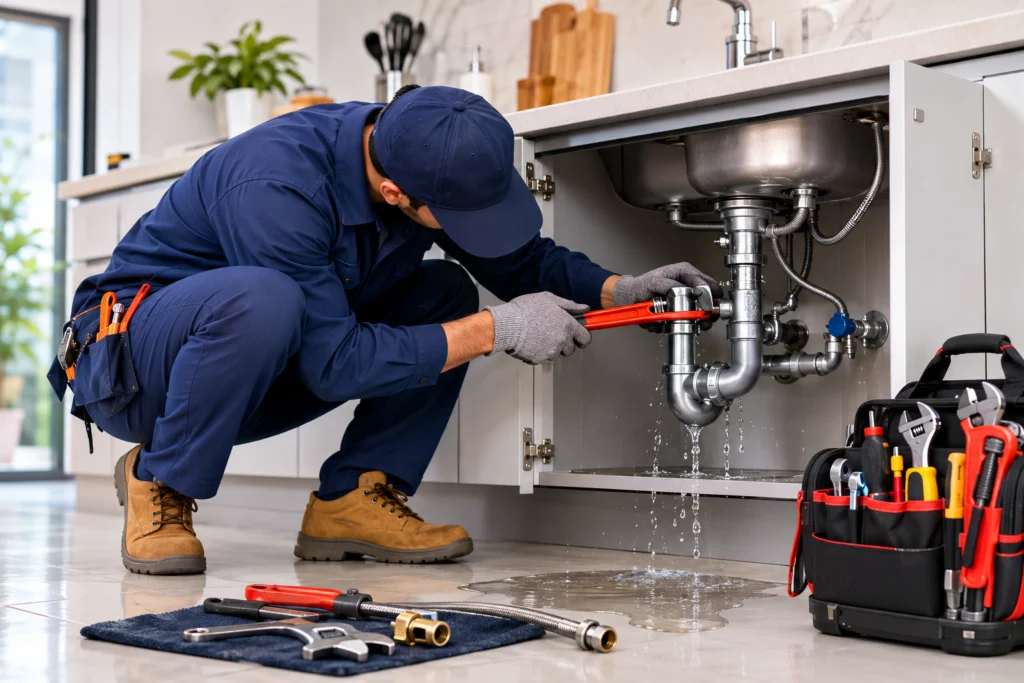
Common plumbing issues that arise are weak water pressure, running toilets, leaky pipes, and clogged drains. You might be able to resolve minor problems with a quick fix, but numerous plumbing issues will only be resolved by professional care and attention, allowing you to avoid costly water damage, utility bills, and long-term system problems.
While a leaking faucet or slow-draining may seem like a minor problem in the beginning, plumbing problems tend to escalate over time when not addressed. Every little leak can cause water damage, hidden pipe leaks can add up to an extra cost on the utility bill, and if your pipes frequently get clogged, it can be a sign of a bigger drainage problem in the house.
A professional plumbing service can help homeowners save money, as they can often detect the cause of the issue at an early stage. When problems recur or evolve, the only way to find the cause is to have a professional inspection, which will help to avoid damage that can be expensive.
Christian Heating, Cooling, Plumbing and Electrical offers homeowners professional plumbing solutions for leaks, drainage problems, low water pressure, and more. Please book service via the contact page or give us a call.
Common Plumbing Issues: What Should Homeowners Know?
The most frequent plumbing problems homeowners face are low water pressure, running toilets, clogged drains, leaks, and water heater problems. There are some problems that can be easily corrected, and others that may be a result of hidden damage in the plumbing system that can only be diagnosed and repaired by a professional.
Common Plumbing Problems and Solutions
- Low water pressure
- Running toilets
- Sewer overflows, leaking pipes or fixtures
- Any drains that are slow or blocked
- Water heater problems
- Sewer line concerns
- Gas line issues
Some plumbing problems begin small, but recurring problems typically point to a larger problem in the plumbing system.
Low Water Pressure: What Causes It?
Low water pressure is often due to fixture blockage, pipe leaks, valve failure, or buildup in the plumbing system. If the pressure has been low across the entire household, it could be a leak in the plumbing system, or the problem could be with the city water supply, which needs to be checked by a professional.
Common Causes of Low Water Pressure
Pipe Leaks
Leaks within walls or pipes can cause a drop in pressure and loss of water.
Mineral Buildup
Eventually, deposits in hard water can cause water to slow down inside pipes and fixtures.
Valve Problems
If the valve is partially turned off, it can lower the pressure in the house.
Municipal Supply Issues
Sometimes the problem is not within the home, but is related to maintenance or problems in the city water supply.
What Homeowners Can Check
Before calling a plumber, homeowners can inspect:
- Main shutoff valves
- Faucet aerators
- Showerheads for buildup
- Pressure drop in individual unit
Determine the Problem’s Scope
If the pressure is low all over the house, the following can be the cause:
- Hidden leaks
- Pipe corrosion
- Main water line problems
- Pressure regulator failure
When pressure is found to be low, our plumbers are able to locate any leaks or problems with the system.
Christian HVAC offers a professional plumbing service that will quickly fix water pressure issues and resolve them.
Running Toilet: Why Does It Happen?
The most common cause of a running toilet is faulty components inside the toilet, like the flapper, fill valve, or float assembly. Some problems can be fixed easily, but if the toilet continues to have problems, it can cause a lot of water to be lost and can raise utility bills.
Running Toilet Causes
Faulty Flapper
A worn or damaged flapper might allow the tank to leak.
Fill Valve Problems
The fill valve can malfunction, and water can be added to the tank unnecessarily.
Float Issues
If the float is positioned incorrectly, it can cause the toilet to not shut off properly.
Fixing a Running Toilet Yourself
If you’re a homeowner, you can:
- Adjust the float
- Replace the flapper
- Check the fill valve for blockages
- Tighten loose components
Risks of Ignoring a Running Toilet
A running toilet can cost hundreds of gallons of water a day and lots over time.
A dripping toilet can literally cost hundreds of gallons. If the quick fixes fail, we can efficiently fix it.
Plumbing Leaks: Can a Small Problem Cause Big Damage?
Any plumbing leak can cause significant water damage, mold infestation, structural issues, and higher utility bills, even if it is relatively small and little noticed.
Hidden leaks can be particularly harmful, as damage can occur well before visible warning signs.
Common Plumbing Leak Types
Faucet Leaks
Running faucets are wasting water and can mean that the faucet has bad internal parts.
Pipe Leaks
Leaks can cause damage to the drywall, flooring, and insulation behind walls or under floors.
Hidden Leaks
There are leaks that will only be discovered if homeowners experience:
- Water stains
- Musty odors
- Mold growth
- Rising water bills
Hidden Leak Warning Signs
Watch for:
- Unusual surges in water costs
- Walls or ceiling which are damp.
- Peeling paint
- Persistent mildew smells
Early detection of leaks can save on costly repairs to the structure later on.
Clogged Drains: Why Does Water Flow Slowly?
Hair, grease, soap residue, food scraps, and debris inside pipes are some of the frequently found causes of clogged drains. Clogs may happen from time to time, but if they happen repeatedly, then the issue may be drainage or sewer line issues that need to be addressed by professionals.
Common Drain Clog Problems
The residue of hair and soap
The bathroom drains often clog because of soap and hair clogs.
Fat and used cooking oil
Grease can often cause kitchen drains to become clogged because it hardens in the pipes.
Debris Buildup
Foreign objects or deposits further downstream may cause water flow to be limited.
Serious Drain Problem Symptoms
If you have a recurring problem with clogs, it could be due to:
- Issues with the main sewer line
- Pipe damage
- Tree root intrusion
- Serious pipe blockage
Professional drain cleaning services can clear blockages that are deeper and clear the drains prior to the formation of larger plumbing problems.
When Can Plumbers Work on Gas Lines?
Local regulations and certifications may allow licensed plumbers to install and repair gas lines. Gas line issues should always be considered a serious safety issue, as leaks can pose a fire risk, explosion risk, and health hazards.
Common Gas Line Issues
Gas line issues may involve:
- Leaks
- Corrosion
- Damaged fittings
- Aging gas piping
- Improper appliance connections
Gas Leak Warning Signs
If homeowners see they should take action right away:
- Rotten egg odors
- Hissing sounds
- Dizziness or headaches
- Dead vegetation close to gas lines
When to Seek Immediate Medical Attention
Gas line work is best left to the professionals. Professional plumbers employ specialized testing procedures and tools to correctly diagnose and fix the problems without risk.
Always have a professional solve any gas line problems. If you think you have a problem, contact us right away.
For serious plumbing and gas line issues, Christian HVAC will provide emergency plumbing services.
DIY Plumbing Fixes vs. Professional Repairs: Which Is Better?
Homeowners can resolve some plumbing issues without the need for a professional. You should call in the professionals for other plumbing issues, though, to prevent further damage or safety hazards. Knowing the distinction can save homeowners from making wrong choices that can lead to expensive errors.
Safe DIY Plumbing at Home
Some of the smaller problems that homeowners can fix include:
- Replacing faucet washers
- Adjusting toilet components
- Removing easy clogs from drains
- Cleaning faucet aerators
Plumbing Issues That Need a Professional
Homeowners should not try to:
- Pipe replacement
- Major leak repairs
- Water heater repairs
- Sewer line work
- Gas line repairs
Repairs, if improperly done, can cause extensive water damage, safety issues, or code violations.
What Is the Cost of Common Plumbing Repairs?
Plumbing repair prices range from one problem to another, in addition to the complexity of the repair and whether the damage is hidden. Early identification of issues may help to prevent a significant repair cost.
Factors Affecting Plumbing Repair Costs
The cost could be higher because of:
- Hidden pipe access
- Water damage repair
- Emergency service needs
- Material replacement
- System age
Small plumbing problems are typically more affordable to fix before they grow into a huge issue.
When Should You Call a Professional Plumber?
A plumbing problem that keeps recurring, water damage to the house, loss of water pressure in the house, leaks, sewer issues, or gas line issues should be addressed by the homeowner, and a plumber should be contacted. While common issues can be identified, professional diagnosis can help avoid further damage and determine the cause of the current issue.
Signs You Need Professional Plumbing
Recurring Plumbing Problems
If there are recurring problems with clogs, leaks, or running toilets, it’s likely that there are more significant problems.
Water Damage
Stains, warped flooring, or mold growth on the floor may indicate a concealed plumbing leak.
Low Pressure Throughout the Home
If the pressure loss is general, it may indicate overall plumbing problems.
Major Leaks
If the pipes have burst or there are any leaks, professional attention must be called for immediately.
Gas Line Concerns
Any time a gas smell is detected, or a gas line is damaged, it should be treated as an emergency.
We can identify plumbing problems in no time at all if they aren’t resolving.
Christian HVAC is also an emergency plumbing service provider for emergency plumbing issues that need immediate attention.
What Are Common Plumbing Problems and How Can You Prevent Them?
By keeping up with preventative plumbing maintenance, homeowners can prevent leaks, drainage problems, water damage, and costly emergency plumbing repairs. Minor maintenance tasks can prolong the life of a plumbing system and save on long-term repair expenses.
Preventing Common Plumbing Issues
Schedule Regular Inspections
Small problems can be spotted before they become big repairs with help from a professional inspection.
Avoid Drain Clogs
Don’t put grease, wipes, food waste, or trash down drains.
Monitor Water Pressure
High water pressure can overload pipes and fixtures.
Maintain Plumbing Fixtures
Replace worn parts ahead of time to avoid water loss and leaks.
Prevention Saves Money
Owners who take care of plumbing problems at the start can prevent the following:
- Structural water damage
- Mold remediation
- Emergency plumbing costs
- Major pipe replacements
Prevent little leaks from becoming big leaks. Call us or use our contact page on Christian HVAC to schedule a plumbing inspection today.
Homeowners suffering from hot water or plumbing-related issues should call Christian HVAC for professional water heater service.
Frequently Asked Questions
What is the reason behind the low pressure in the water?
Low water pressure can be caused by clogged fixtures, pipe leaks, valve problems, corrosion, or a problem in the water supply provided by the city.
How do I fix a running toilet?
Common solutions involve changing the float, flapper, or checking the fill valve. If those issues continue, it may be necessary to get a professional repair job on the item.
When can I call a plumber?
If the clogs keep happening, leaks are occurring, water is damaging your home, there are gas line problems, water pressure is low all over the home, or the same problem is happening again and again, call a plumber.
But are plumbing problems costly to deal with?
The costs are dependent on the problem. Repairs are typically not expensive, but if an unnoticed leak occurs or major pipe damage is present, those repairs could be more costly.
May electricians work with gas lines?
Licensed plumbers generally fix and/or install gas lines as permitted by local licenses and certifications.
What can I do to avoid plumbing issues?
Many common plumbing issues can be avoided with regular inspections, use of proper drains, monitoring water pressure, and maintaining fixtures.